
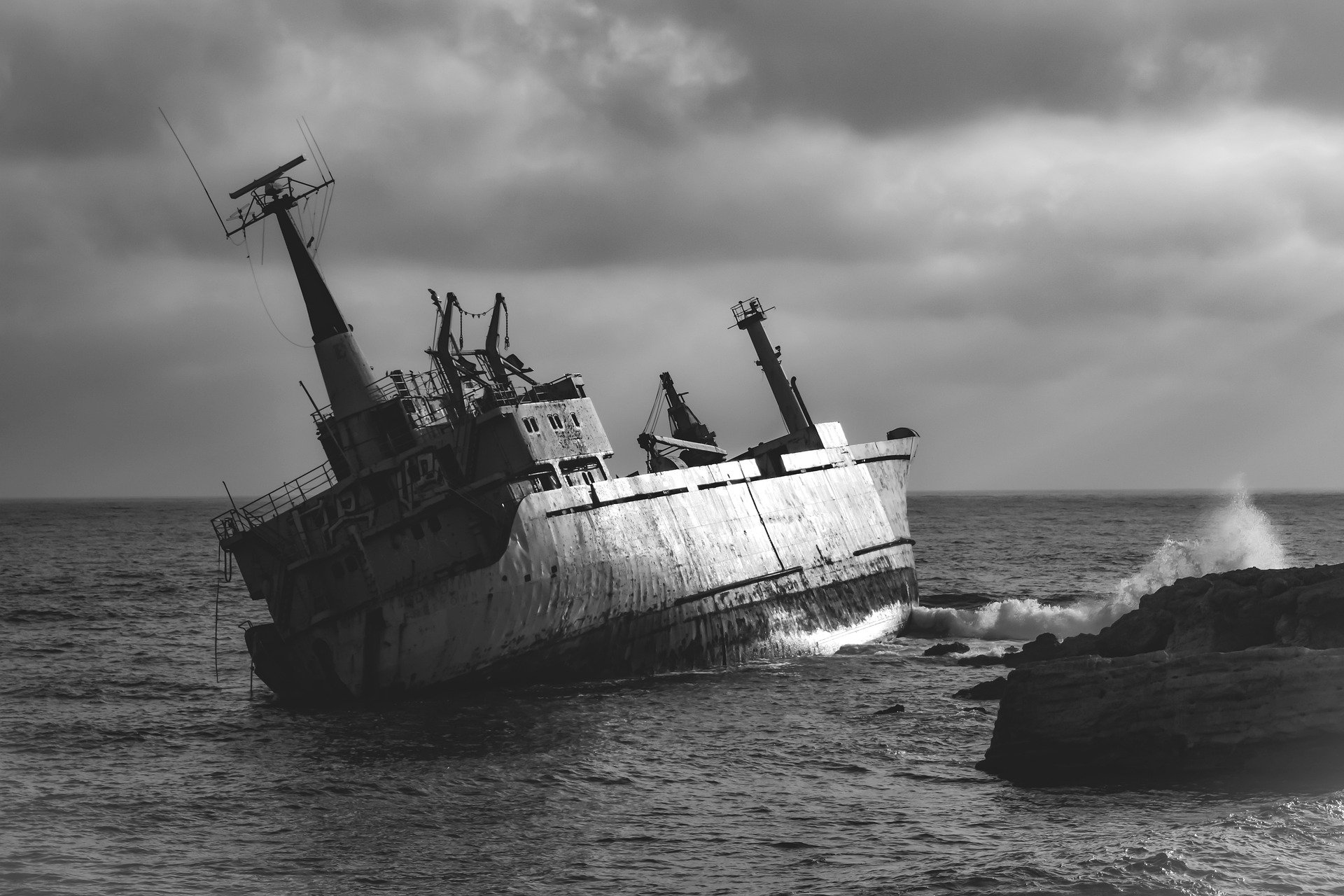
The recent trial of Linda O’Leary, wife of celebrity millionaire who was involved in a fatal boating accident, along with significant increase in recreational boating due to remote work and cottaging, have sparked both interest and concern regarding the legal implications of boating accidents. Are they like motor vehicle accidents? Are they covered by insurance? What are the legal fallouts of being at-fault in such an accident?
While boat operators are regulated by legislation in terms of licensing, in Ontario there is no law mandating the purchase of accident insurance. As a result, the most consequential difference between being involved in a boating accident and a motor vehicle accident is that no-fault benefits for injuries sustained do not exist in boating accidents.
What this is means is that victims of boating accidents are limited in 2 ways:
1. They can only make a claim against the negligent party in an accident
2. If the negligent party does not have an insurance policy, you can only recover damages personally against the individual responsible for the accident
The Marine Liability Act, the legislation that governs boating accidents, further limits accident victims and their ability to recover damages for injuries sustained by capping the amount payable per accident. This cap applies uniformly to all accidents, regardless of how many people are injured (unless the boat meets certain weight thresholds that are unreachable for the vast majority of recreational boats) and currently stands at $1 million. Considering the fact that such accidents often cause life-altering injuries, this amount could be negligible for the needs of the victims. If recklessness in operating a boat was a factor in the accident, courts have ruled that the $1 million limit does not always apply.
Of course, this limit of $1 million only matters if the person against whom a claim is brought either owns an insurance policy or has personal assets equalling at least this amount, from which to draw a potential judgement or settlement. The latter option, simply speaking, is fraught with obstacles, unless the guilty party is sufficiently wealthy to have such amounts liquidly available. Needless to say, for the injuring party, consequences of being responsible for an accident could be financially ruinous. For that reason, purchasing a comprehensive insurance policy is indispensable


hello world
hello world
z pack antibiotic
z pack antibiotic
cialis dapoxetine
cialis dapoxetine
doxycycline for uti
doxycycline for uti
antibiotics
antibiotics
lasix pill 40 mg
lasix pill 40 mg
how is topamax used for alcoholism
how is topamax used for alcoholism
sildenafil citrate como se toma
sildenafil citrate como se toma
tadalafil 5mg shape
tadalafil 5mg shape
acyclovir ointment uses in marathi
acyclovir ointment uses in marathi
orlistat and zoloft
orlistat and zoloft
ivermectin medical background
ivermectin medical background
ivermectin topical pharmacokinetics
ivermectin topical pharmacokinetics
minoxidil 2% vs 5% performance
minoxidil 2% vs 5% performance
avanafil food‑related effects
avanafil food‑related effects
avanafil medical safety context
avanafil medical safety context
vardenafil warning overview
vardenafil warning overview
augmentin overview
augmentin overview
Sildenafil Absorption Overview
Sildenafil Absorption Overview